Trigeminal neuralgia is a nerve condition that causes sudden, sharp facial pain. For many people, this pain can be severe and affect daily life. MRI trigeminal neuralgia diagnosis is important because it helps doctors find the cause of the pain. With an MRI scan, doctors can see if there are any problems with the trigeminal nerve. This blog explains what trigeminal neuralgia is, its symptoms, how MRI helps, and what to expect during the scan. We will also discuss treatment options and tips for living with this condition.
What is Trigeminal Neuralgia?
Trigeminal neuralgia is a condition that affects the trigeminal nerve. This nerve carries feeling from your face to your brain. When it is irritated or damaged, you may feel sudden, stabbing pain. Usually, this pain happens on one side of the face. Sometimes, even light touch or talking can trigger the pain. According to the World Health Organization, trigeminal neuralgia is rare but can be very distressing.
Symptoms of Trigeminal Neuralgia
Trigeminal neuralgia has some clear signs. However, symptoms can vary from person to person. Common symptoms include:
Sometimes, the pain can become more frequent over time. In some cases, it may last longer or become constant. If you notice these symptoms, it is important to talk to a doctor.
How MRI Helps Diagnose Trigeminal Neuralgia
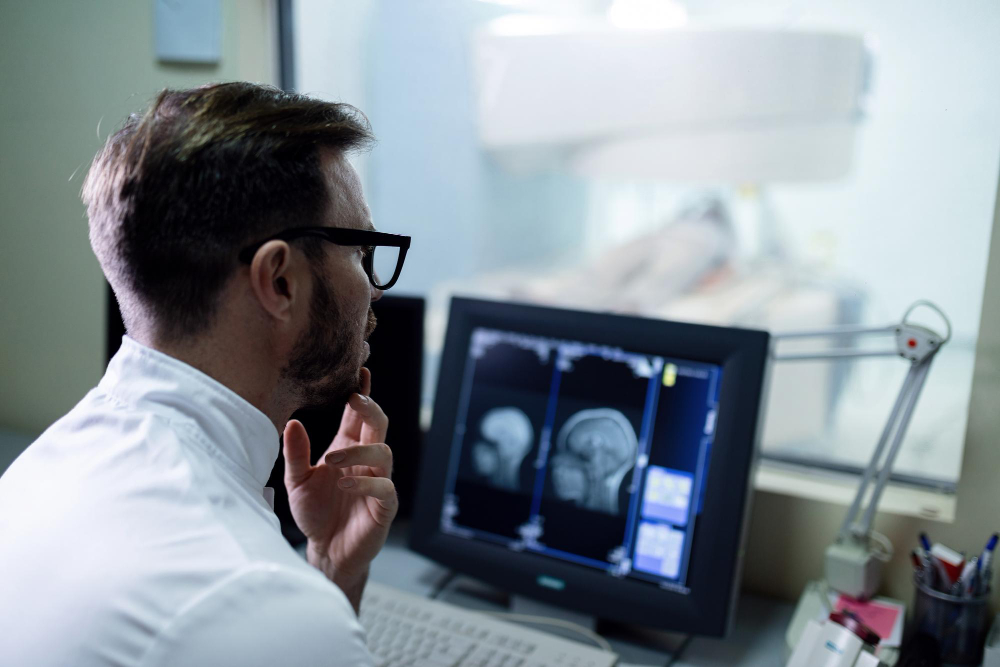
Doctors use MRI for trigeminal neuralgia diagnosis to get a clear picture of the nerve and surrounding areas. An MRI scan uses strong magnets and radio waves to make detailed images of the brain and nerves. This helps doctors find the cause of the pain. For example, MRI findings in trigeminal neuralgia may show a blood vessel pressing on the nerve or a tumor. Sometimes, the MRI can also rule out other causes of facial pain. Because MRI does not use radiation, it is safe for most people.
MRI Procedure: What to Expect
Many people feel nervous before an MRI scan. However, knowing what to expect can help. Here is what usually happens during a trigeminal neuralgia MRI scan:
Most people do not have side effects from the MRI. However, if you feel anxious or have claustrophobia, tell your doctor before the scan.
Treatment Options After MRI Diagnosis
Once the MRI for trigeminal neuralgia diagnosis is complete, your doctor will discuss treatment options. The best treatment depends on the cause and severity of your pain. Common treatments include:
Because each person is different, your doctor will help you choose the best option. According to the National Institutes of Health, most people find relief with the right treatment.
Prevention and Lifestyle Tips
While you cannot always prevent trigeminal neuralgia, some lifestyle tips may help reduce attacks. For example:
Although these steps may not stop all attacks, they can help you manage your condition better.
When to See a Doctor
If you have sudden, severe facial pain, do not ignore it. You should see a doctor if:
Early diagnosis with an MRI trigeminal neuralgia scan can help you get the right treatment. Therefore, do not wait to seek help if you are worried.
Conclusion: Trigeminal neuralgia can be a painful and life-changing condition. However, MRI for trigeminal neuralgia diagnosis helps doctors find the cause and plan the best treatment. If you have symptoms, consult a radiologist or neurologist at Shreeji MRI for personalized advice on trigeminal neuralgia diagnosis and treatment.