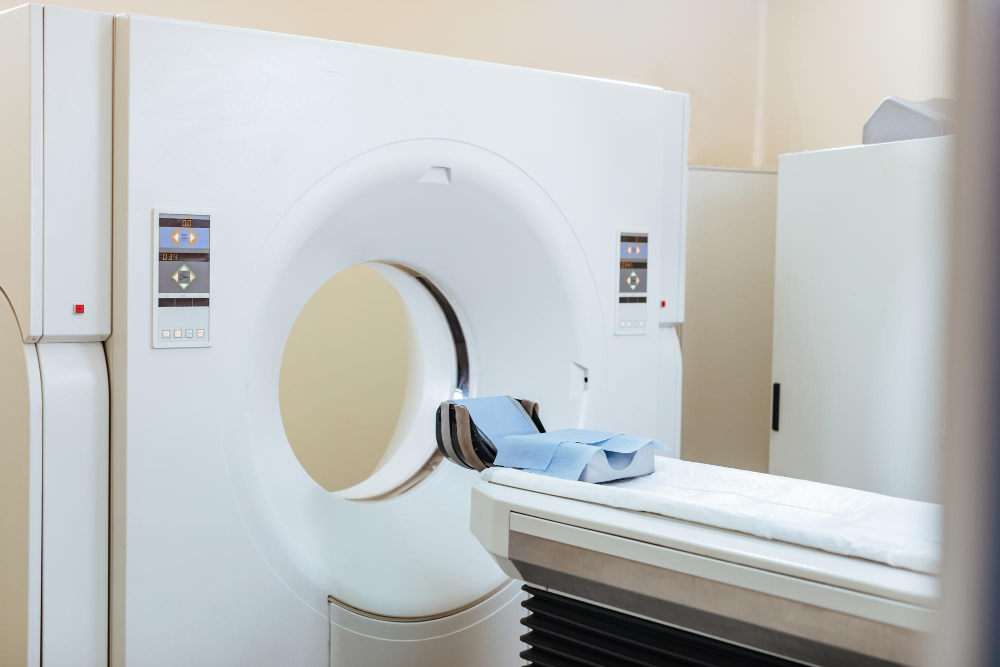
Introduction to MRI Shoulder
If you have shoulder pain, your doctor may suggest an MRI shoulder scan. MRI stands for Magnetic Resonance Imaging. This test uses strong magnets and radio waves to create detailed pictures of your shoulder. Unlike X-rays, MRI scans do not use radiation. Instead, they help doctors see soft tissues like muscles, tendons, and ligaments. Because of this, MRI is often used to find the cause of shoulder pain or injury.
Common Reasons for a Shoulder MRI
Doctors order a shoulder MRI for many reasons. For example, you may need one if you have:
Additionally, an MRI shoulder scan can help plan surgery or check healing after treatment. It is also helpful if other tests, like X-rays, do not show enough detail.
How to Prepare for a Shoulder MRI
Preparing for a shoulder MRI is simple. Most people do not need to change their daily routine. However, you should:
Sometimes, you may need to avoid eating or drinking for a few hours if a contrast dye is used. Your doctor will give you clear instructions if this is needed.
What Happens During the Procedure
When you arrive for your shoulder MRI procedure, a staff member will guide you to the MRI room. First, you will lie down on a table. The technologist may place a small coil around your shoulder to get better images. Next, the table slides into the MRI machine, which looks like a large tube.
During the scan, you must stay very still. This helps create clear pictures. The machine makes loud tapping or thumping noises, but this is normal. You can ask for earplugs or headphones to reduce the noise. The scan usually takes 20 to 45 minutes. If a contrast dye is needed, it will be given through a small needle in your arm. Most people feel no pain during the scan.
What to Expect After the MRI
After your MRI shoulder scan, you can return to your normal activities right away. If you received contrast dye, drink plenty of water to help flush it out. You may feel a little sore if you had an IV, but this goes away quickly. The radiologist will review your images and send a report to your doctor. Your doctor will then discuss the results with you and explain the next steps.
Key Benefits and Advantages of MRI for Shoulder Issues
MRI for shoulder pain offers many benefits. For instance:
Because of these advantages, MRI is a top choice for diagnosing shoulder problems. According to the Radiological Society of North America, MRI is highly accurate for finding rotator cuff tears and other shoulder injuries.
Risks and Limitations
While MRI shoulder scans are safe for most people, there are a few risks and limits. For example:
However, most people complete the scan without any problems. Always tell your doctor about any health concerns before your MRI.
Frequently Asked Questions (FAQs)
Conclusion
In summary, an MRI shoulder scan is a safe and helpful way to find the cause of shoulder pain. It gives clear images and helps your doctor choose the best treatment. If you have questions or concerns, consult a radiologist or your healthcare provider at Shreeji MRI for personalized advice.