Introduction
MRI PNS is a special scan that helps doctors see the paranasal sinuses. These are air-filled spaces around your nose. Because MRI PNS uses strong magnets and radio waves, it gives clear pictures without using X-rays. Many people need this scan to find out why they have nose or sinus problems. In this blog, you will learn what MRI PNS means, how it works, and what you can expect during the process.
What is MRI PNS?
MRI PNS stands for Magnetic Resonance Imaging of the Paranasal Sinuses. The paranasal sinuses are hollow spaces in the bones around your nose. They help with breathing and keep your nose moist. MRI is a safe test that uses magnets and radio waves to make detailed images. Unlike CT scans, MRI does not use radiation. Doctors use MRI PNS to look for problems like infections, swelling, or growths in the sinuses.
Why is MRI PNS Performed?
Doctors may suggest an MRI PNS scan for several reasons. Often, it helps find the cause of symptoms that do not go away. Common reasons include:
Because MRI PNS gives clear images, it helps doctors make the right diagnosis.
How is MRI PNS Done?
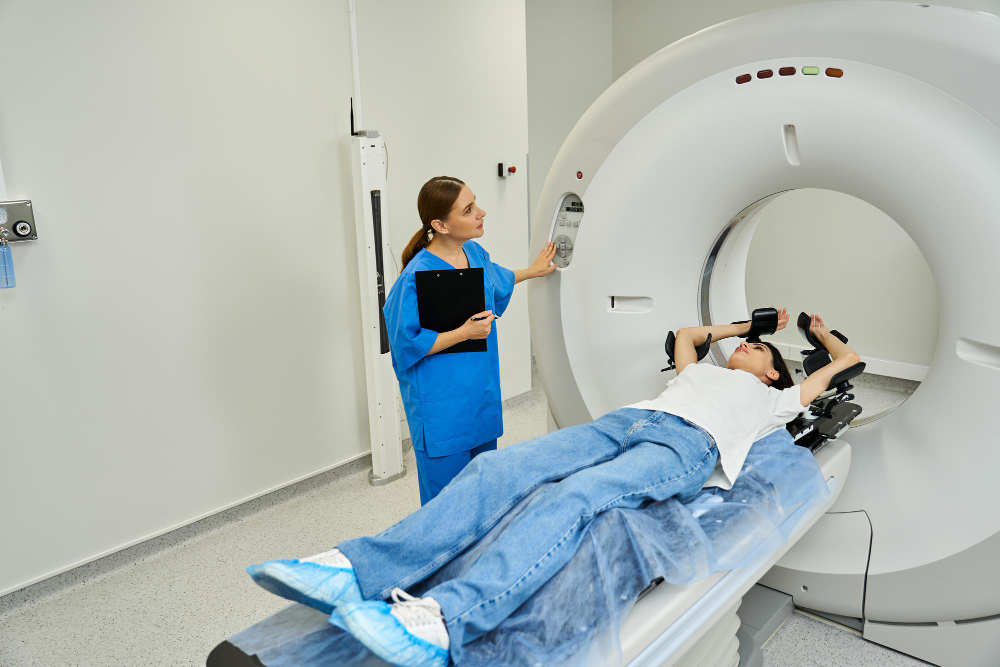
First, you will be asked to lie down on a flat table. The table slides into a large, tube-shaped machine. Next, a technologist will help you get comfortable. Sometimes, a small coil or device is placed near your head to improve image quality. The scan itself is painless. However, you must stay very still so the pictures are clear. The machine makes loud tapping or thumping sounds. You may get earplugs or headphones to reduce the noise. The scan usually takes 20 to 40 minutes. After the scan, you can go home right away.
Preparation for MRI PNS
Most people do not need special preparation for MRI PNS. Still, there are a few things to keep in mind:
Because MRI uses magnets, metal objects can affect the scan or cause harm.
What to Expect During and After the Scan
During the scan, you may hear loud noises from the machine. However, you will not feel any pain. If you feel nervous or claustrophobic, tell the staff. They can help you feel more comfortable. The scan usually takes less than an hour. After the scan, you can return to normal activities. There is no recovery time needed. If a contrast dye was used, drink plenty of water to help flush it out.
Risks and Safety of MRI PNS
MRI PNS is very safe for most people. Unlike X-rays or CT scans, it does not use radiation. However, there are a few safety tips to remember:
Overall, MRI PNS is a safe and trusted test, as supported by the World Health Organization (WHO) and other health experts.
Interpreting MRI PNS Results
After the scan, a radiologist will review the images. They look for signs of infection, swelling, growths, or other problems. The results help your doctor decide the best treatment. Sometimes, more tests may be needed. Your doctor will explain the findings and what they mean for your health.
Frequently Asked Questions about MRI PNS
Conclusion and Call-to-Action
MRI PNS is a safe and helpful scan for finding sinus problems. It gives clear images without using radiation. If you have ongoing sinus issues, this scan may help your doctor find the cause. For the best advice, consult a radiologist or healthcare provider at Shreeji MRI for personalized guidance about MRI PNS.