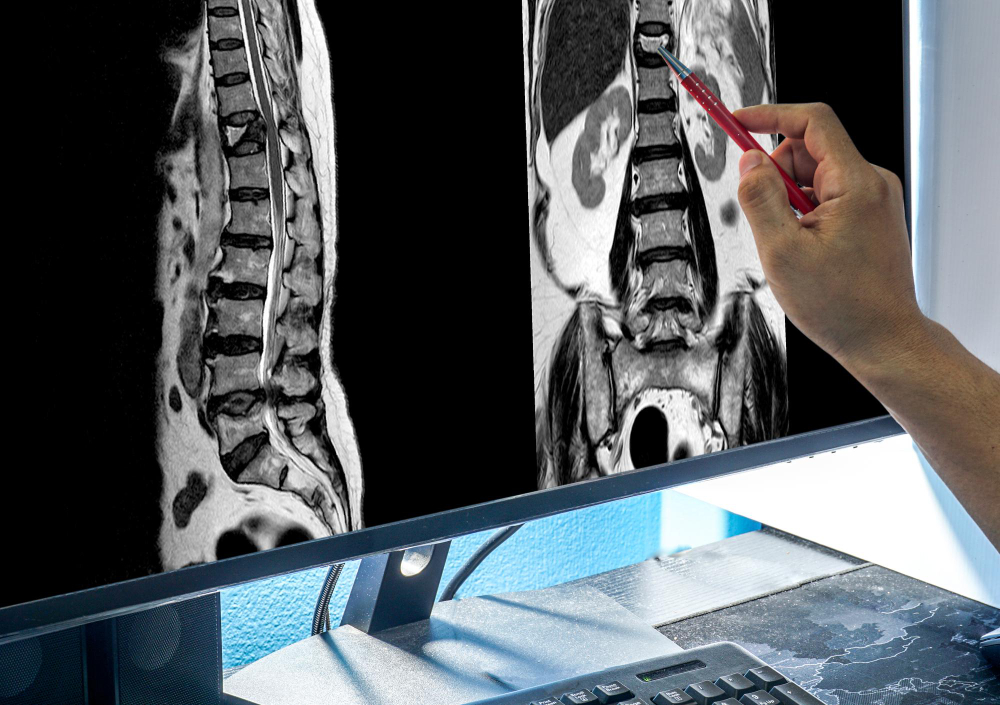
What is an MRI Lumbosacral Spine?
An MRI lumbosacral spine is a special scan of your lower back. It uses strong magnets and radio waves to create clear pictures of the bones, discs, and nerves. Unlike X-rays, this MRI scan lower back test does not use radiation. Doctors often use lumbosacral spine imaging to find the cause of back pain or nerve problems. According to the World Health Organization, MRI is safe and helps doctors see inside your body without surgery.
Why is an MRI Lumbosacral Spine Performed?
Doctors order this scan for many reasons. Often, it helps find the cause of lower back pain. Sometimes, it checks for nerve problems, injuries, or changes in the spine. You may need an MRI procedure for back pain if you have:
In many cases, your doctor uses the MRI lumbosacral spine scan to plan treatment or surgery.
How to Prepare for the Procedure
Preparing for an MRI scan lower back is simple. Still, you should follow your doctor’s instructions. Before the scan, you may need to:
Sometimes, you may need to avoid eating or drinking for a few hours. Your doctor will let you know if this is needed.
What Happens During the MRI Scan?
When you arrive, a staff member will guide you to the MRI room. Next, you will lie down on a narrow table. The table slides into a large, tube-shaped machine. During the MRI lumbosacral spine scan, you must stay very still. This helps create clear images. The scan usually takes 20 to 45 minutes. While the machine works, you may hear loud thumping or tapping sounds. However, you can ask for earplugs or headphones to reduce the noise. A technologist will watch you from another room and can talk to you through a speaker.
What to Expect After the Scan
After the MRI scan lower back, you can usually go home right away. There is no recovery time needed. If you received a contrast dye, you might be asked to drink water to help flush it out. Most people feel fine after the test. However, if you feel dizzy or unwell, tell the staff right away.
Understanding Results and Next Steps
A radiologist will review your lumbosacral spine imaging results. Then, they will send a report to your doctor. Your doctor will explain what the images show. Sometimes, the MRI finds a clear cause for your symptoms. Other times, more tests may be needed. Based on the results, your doctor will discuss treatment options or next steps with you.
Safety, Risks, and Common Concerns
MRI lumbosacral spine scans are very safe for most people. Because the test does not use radiation, there is no risk from X-rays. However, some people worry about the loud noise or the small space inside the machine. If you feel anxious, let the staff know. Rarely, people may react to the contrast dye. If you have kidney problems or allergies, tell your doctor before the scan. According to the CDC, MRI is safe for children and adults, but always share your health history with your care team.
Tips for a Comfortable Experience
To make your MRI procedure for back pain easier, try these tips:
Remember, the team is there to help you feel safe and comfortable.
Conclusion
An MRI lumbosacral spine scan is a safe and helpful test for back pain and nerve problems. It provides doctors with clear images to guide your care. If you have questions or concerns, always talk to your healthcare provider. Consult Shreeji MRI for personalized advice about MRI lumbosacral spine scans. Our expert radiologists are here to provide you with accurate results and guide you through the next steps in your treatment.