What Is MR Defecography?
MR Defecography is a special type of pelvic MRI scan. Doctors use it to see how the muscles and organs in your pelvis work during bowel movements. Because it gives clear images, MR Defecography for pelvic floor disorders is now the gold standard for diagnosing many pelvic issues. This test helps doctors find the cause of symptoms like constipation, pain, or trouble with bowel control.
How Does MR Defecography Work?
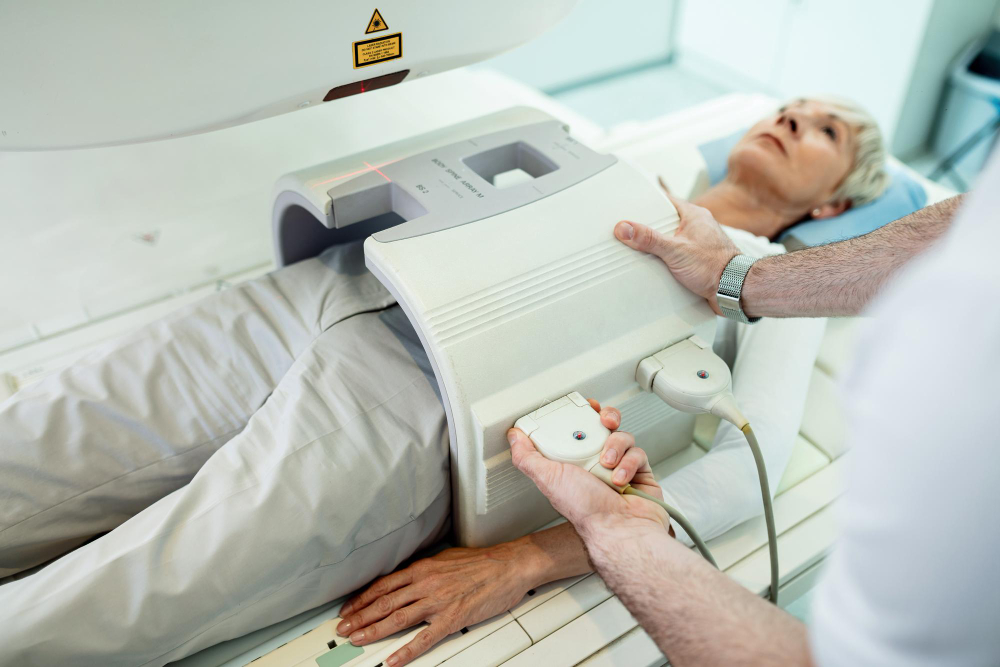
During the scan, you lie inside an MRI machine. The machine uses strong magnets and radio waves to take pictures of your pelvic area. Unlike regular X-rays, MR Defecography does not use radiation. Instead, it shows soft tissues, muscles, and organs in great detail. Sometimes, a soft gel is placed in the rectum to help show how your body works during the test. As you follow simple instructions, the machine records images while you squeeze or push, just like during a bowel movement.
Symptoms and Pelvic Issues Commonly Evaluated with MR Defecography
Doctors may suggest MR Defecography if you have certain symptoms. For example, you might need this scan if you have:
In addition, this scan helps diagnose pelvic floor disorders, rectal prolapse, and other problems that affect daily life.
Why MR Defecography Is the Gold Standard
MR Defecography is considered the gold standard for several reasons. First, it provides very clear and detailed images of the pelvic organs and muscles. This helps doctors see problems that other tests might miss. Second, it is safe because it does not use radiation. Third, MR Defecography can show how your body works in real time during a bowel movement. Because of these benefits, many experts recommend it over older tests like X-rays or fluoroscopy. According to studies in medical journals, MR Defecography has higher accuracy for diagnosing pelvic floor disorders. It also helps doctors plan the best treatment for each patient.
The MR Defecography Procedure: What to Expect
Before the scan, a nurse or technologist will explain each step. You will change into a hospital gown and remove any metal objects. Next, you will lie on a table that slides into the MRI machine. Sometimes, a small amount of gel is placed in your rectum to help show movement. During the scan, you may be asked to squeeze, relax, or push as if having a bowel movement. The machine will take pictures during each step. The whole test usually takes about 30 to 45 minutes. After the scan, you can return to your normal activities right away.
Preparation Tips and Aftercare
To get the best results from your pelvic MRI scan, follow these tips:
Most people feel fine after the test. However, if you notice any discomfort or unusual symptoms, contact your doctor.
Risks and Limitations
MR Defecography is very safe for most people. It does not use harmful radiation. However, some people may feel nervous in the MRI machine because it is a small space. Rarely, the gel used in the test may cause mild discomfort. People with certain metal implants, such as pacemakers, may not be able to have this scan. Also, while MR Defecography is very accurate, it may not find every problem. In some cases, your doctor may suggest other tests for a complete diagnosis.
Prevention and Lifestyle Guidance for Pelvic Health
Good pelvic health can help prevent many problems. Here are some tips to keep your pelvic floor strong:
Early care and healthy habits can lower your risk of pelvic floor disorders.
Conclusion
In summary, MR Defecography is the gold standard for diagnosing pelvic issues. It offers clear images, high accuracy, and safety without radiation. If you have symptoms like constipation or pelvic pain, this scan can help your doctor find the cause. Consult a radiology specialist at Shreeji MRI for personalized advice about MR Defecography and pelvic health.