What is MR Angiography?
MR Angiography, also called Magnetic Resonance Angiography, is a special type of MRI scan. It helps doctors see blood vessels inside your body. Unlike regular X-rays, MR Angiography does not use radiation. Instead, it uses strong magnets and radio waves. This test shows clear pictures of arteries and veins. As a result, doctors can spot blockages, narrow areas, or other blood vessel problems. Many people call this test a non-invasive blood vessel imaging scan.
How Does MR Angiography Work?
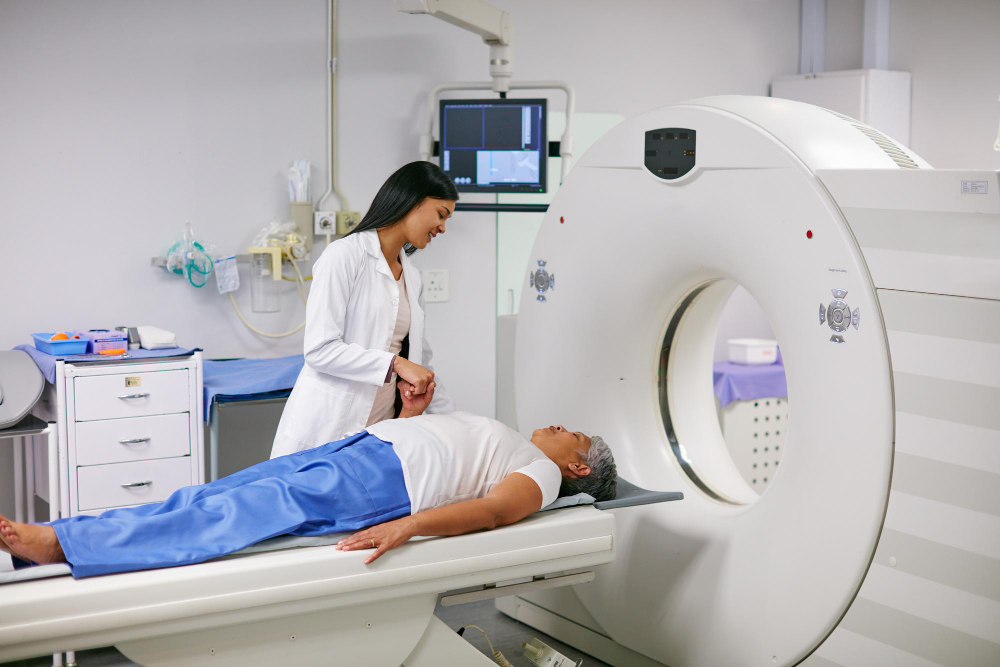
First, MR Angiography uses a large machine called an MRI scanner. You will lie on a table that slides into the scanner. The machine creates a strong magnetic field around your body. Then, radio waves bounce off your tissues and blood vessels. A computer turns these signals into detailed images. Sometimes, doctors use a special dye called contrast. This dye makes blood vessels easier to see. However, not all MR Angiograms need contrast dye.
Common Reasons for MR Angiography
Doctors order MR Angiography for many reasons. For example, they may want to:
Because MR Angiography is non-invasive, it is often safer than other tests. It is also helpful for people who cannot have X-rays or CT scans.
Preparation for the Procedure
Before your MR Angiography, your doctor will give you instructions. Usually, you can eat and drink as normal. However, if you need contrast dye, you may need to avoid food for a few hours. Always tell your doctor if you:
Wear comfortable clothes without metal parts. Sometimes, you will change into a hospital gown. Remove jewelry, watches, and hairpins before the scan. Because the MRI scanner is loud, you may get earplugs or headphones.
What to Expect During and After MR Angiography
On the day of your test, you will check in at the imaging center. After changing clothes, a technologist will help you lie on the MRI table. If you need contrast dye, you may get an injection in your arm. The table will slide into the scanner. You must lie still during the scan. The machine makes loud tapping noises, but this is normal. The scan usually takes 30 to 60 minutes. After the test, you can go home right away. If you received contrast dye, drink plenty of water to help flush it out. Most people return to normal activities the same day.
Benefits and Risks
MR Angiography offers many benefits. For instance, it is non-invasive and does not use harmful radiation. The images are very clear, so doctors can make better decisions. Also, the test is safe for most people. However, there are some risks. Some people may feel anxious in the scanner. Rarely, people have allergic reactions to contrast dye. If you have metal implants, the test may not be safe. Always talk to your doctor about any concerns.
Frequently Asked Questions
If you have questions about MR Angiography or want to know if it is right for you, consult a radiology specialist at Shreeji MRI today.