What is MRI Cardiac?
MRI Cardiac is a special scan that uses strong magnets and radio waves to create clear pictures of your heart. Unlike some tests, a cardiac MRI scan does not use harmful radiation. Instead, it is a non-invasive heart scan that helps doctors see your heart’s structure and function. Because it is safe and painless, many people choose this heart imaging test to check for heart problems. In fact, a cardiac MRI is often called a safe heart scan because it does not require surgery or needles in most cases.
How Does Cardiac MRI Work?
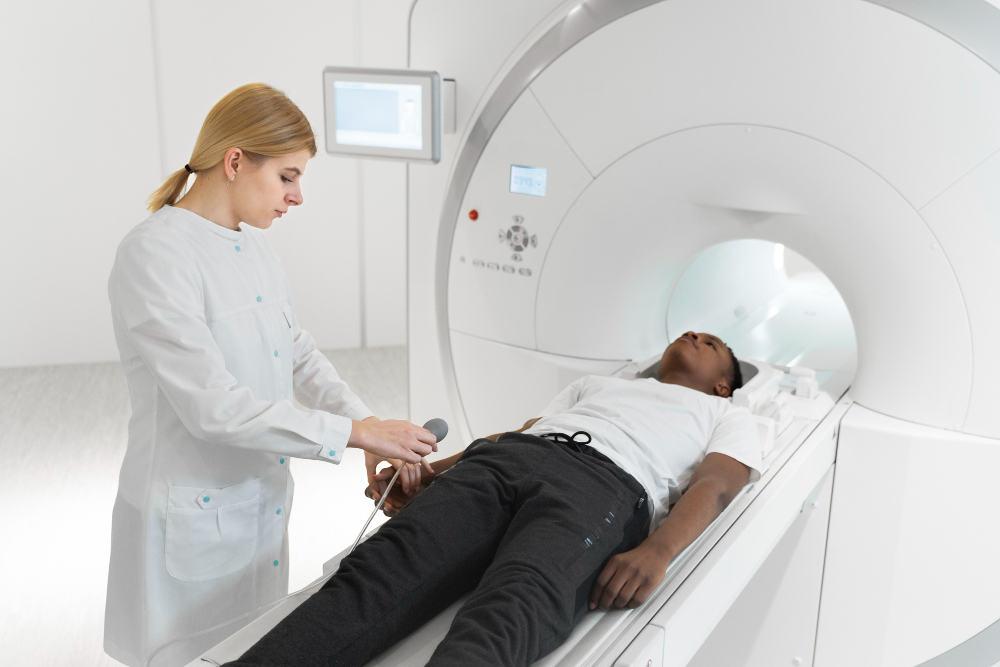
During a cardiac MRI, you lie on a table that slides into a large, tube-shaped machine. The machine uses magnets and radio waves to take detailed pictures of your heart. As a result, doctors can see your heart’s chambers, valves, and blood vessels. Sometimes, a special dye is used to make the images even clearer. However, this dye is usually safe for most people. The scan usually takes 30 to 60 minutes. Because the test is painless, you can relax during the procedure.
When is a Cardiac MRI Recommended?
Doctors may suggest a cardiac MRI for several reasons. For example, you might need this scan if you have:
In addition, a cardiac MRI can help check for heart damage after a heart attack. Sometimes, it is used to plan or check the results of heart surgery. If you need a detailed look at your heart, your doctor may recommend this non-invasive heart scan.
Benefits of Cardiac MRI
There are many reasons why people choose a cardiac MRI scan. Some key benefits include:
Moreover, a cardiac MRI can show both the structure and function of your heart. This makes it a valuable tool for heart health.
What to Expect During the Procedure
Before your MRI cardiac scan, you may be asked to change into a hospital gown. Next, you will remove any metal objects, such as jewelry or watches. Then, you will lie on a table that moves into the MRI machine. The machine makes loud tapping sounds, but you will be given earplugs or headphones. Although you must stay still, you can breathe normally. Sometimes, a nurse may give you a small injection of dye to improve the images. After the scan, you can return to your normal activities right away.
Safety and Risks
Cardiac MRI is very safe for most people. Because it does not use radiation, there is no risk of exposure. However, some people with metal implants, pacemakers, or certain medical devices cannot have an MRI. If you have kidney problems, let your doctor know before getting the dye. Most people do not have side effects from the scan. Still, always tell your doctor about any health conditions before the test. According to the World Health Organization (WHO), MRI scans are safe when used correctly.
Frequently Asked Questions
In summary, MRI Cardiac is a safe, non-invasive way to look inside your heart’s structure. It helps doctors find and treat heart problems early. If you want to know more about your heart health, consult a healthcare specialist at Shreeji MRI to learn if a cardiac MRI is right for you.