MRI Pelvis: What to Expect, Procedure Steps, and Safety Guide

Introduction to MRI Pelvis

An MRI Pelvis is a special scan that uses strong magnets and radio waves to create clear pictures of the pelvic area. Doctors often use this test to check for problems in organs, bones, and soft tissues. Because it does not use radiation, an MRI Pelvis is safe for most people. If you are wondering what happens during a pelvic MRI scan, this guide will help you understand every step.

What Is an MRI Pelvis?

An MRI Pelvis is a painless imaging test. It shows detailed pictures of the lower belly, hips, and pelvic organs. These organs include the bladder, uterus, ovaries, prostate, and rectum. Unlike X-rays or CT scans, MRI does not use harmful radiation. Instead, it uses a strong magnetic field and radio waves to make images. This helps doctors see inside your body without surgery.

Why Is an MRI Pelvis Performed?

Doctors order a pelvic MRI scan for many reasons. For example, they may want to:

  • Check for tumors, cysts, or growths
  • Look for signs of infection or inflammation
  • Find the cause of pelvic pain
  • Monitor known conditions, such as fibroids or prostate issues
  • Plan for surgery or cancer treatment
  • Check injuries to the pelvic bones or muscles
  • Sometimes, an MRI Pelvis is used when other tests, like ultrasound or X-ray, do not give enough information.

    How to Prepare for an MRI Pelvis

    Preparing for a pelvic MRI scan is simple. Still, a few steps can help make the process smoother:

  • Wear loose, comfortable clothing. You may need to change into a hospital gown.
  • Remove all metal objects, such as jewelry, watches, or belts.
  • Tell your doctor if you have any metal implants, pacemakers, or hearing aids.
  • Let the staff know if you are pregnant or breastfeeding.
  • Follow any instructions about eating or drinking. Sometimes, you may need to avoid food for a few hours before the scan.
  • If you are nervous or claustrophobic, ask about medicine to help you relax.
  • Because MRI uses magnets, metal can affect the images or cause safety issues. Therefore, always inform your healthcare team about any metal in your body.

    What Happens During the MRI Pelvis Procedure?

    Knowing what to expect can help you feel calm during your MRI Pelvis scan. Here is what usually happens:

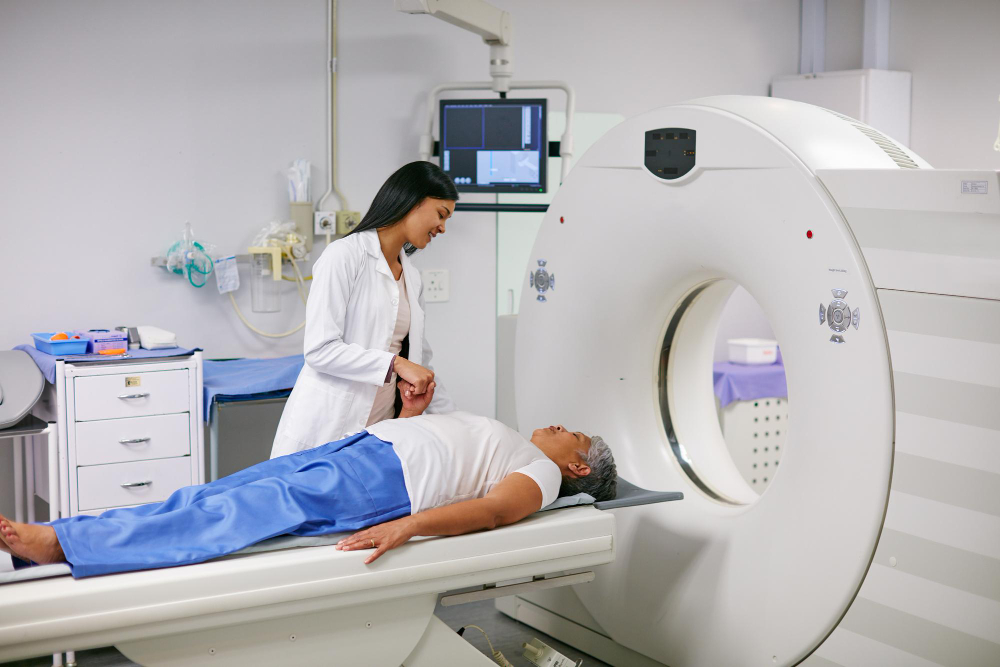
  • You will lie down on a flat table. The staff may use cushions to help you stay comfortable.
  • The table slides into the MRI machine, which looks like a large tube.
  • You must stay very still during the scan. Moving can blur the images.
  • The machine makes loud tapping or thumping noises. You may get earplugs or headphones.
  • Sometimes, a contrast dye is given through a small needle in your arm. This helps highlight certain areas.
  • The scan usually takes 30 to 60 minutes. The staff can see and talk to you the whole time.
  • After the scan, you can return to your normal activities right away, unless your doctor gives other instructions.

    Safety, Risks, and Contraindications

    For most people, an MRI Pelvis is very safe. However, there are a few things to keep in mind:

  • Because MRI uses strong magnets, people with certain metal implants or devices may not be able to have the scan.
  • Some people may feel anxious in the small space. If so, talk to your doctor about options.
  • Rarely, the contrast dye can cause an allergic reaction. Let your doctor know if you have allergies or kidney problems.
  • Pregnant women should tell their doctor before the scan. MRI is usually safe, but extra care is taken.
  • According to the CDC and WHO, MRI scans are safe for most people when proper guidelines are followed.

    How to Interpret MRI Pelvis Results

    After your MRI Pelvis scan, a radiologist will review the images. They look for any signs of problems, such as growths, swelling, or injury. Your doctor will explain the results in simple terms. If something unusual is found, your doctor will discuss the next steps. Sometimes, more tests or treatments may be needed. If the scan is normal, it means no major issues were seen in the pelvic area.

    Frequently Asked Questions About MRI Pelvis

  • Is an MRI Pelvis painful? No, the scan itself does not hurt. You may feel a little discomfort from lying still.
  • Can I eat before the scan? Usually, yes. But sometimes, you may need to avoid food for a few hours. Always follow your doctor’s instructions.
  • How long does the scan take? Most MRI Pelvis scans take between 30 and 60 minutes.
  • Is the MRI Pelvis scan safe? Yes, it is safe for most people. Tell your doctor about any metal implants or allergies.
  • Where can I get an MRI Pelvis scan near me? Most hospitals and imaging centers offer pelvic MRI scans. Ask your doctor for a referral.
  • Tips for a Comfortable MRI Pelvis Experience

    To make your MRI Pelvis scan easier, try these tips:

  • Arrive early to fill out any forms and relax before the scan.
  • Use the restroom before the test begins.
  • Ask for a blanket if you feel cold in the scanner room.
  • Practice deep breathing to stay calm.
  • Let the staff know if you feel nervous or need a break.
  • Conclusion

    An MRI Pelvis is a safe and helpful test for finding problems in the pelvic area. With the right preparation, you can have a smooth and comfortable experience. If you have questions or concerns about the MRI Pelvis scan, consult a radiologist or your healthcare provider at Shreeji MRI for personalized advice.