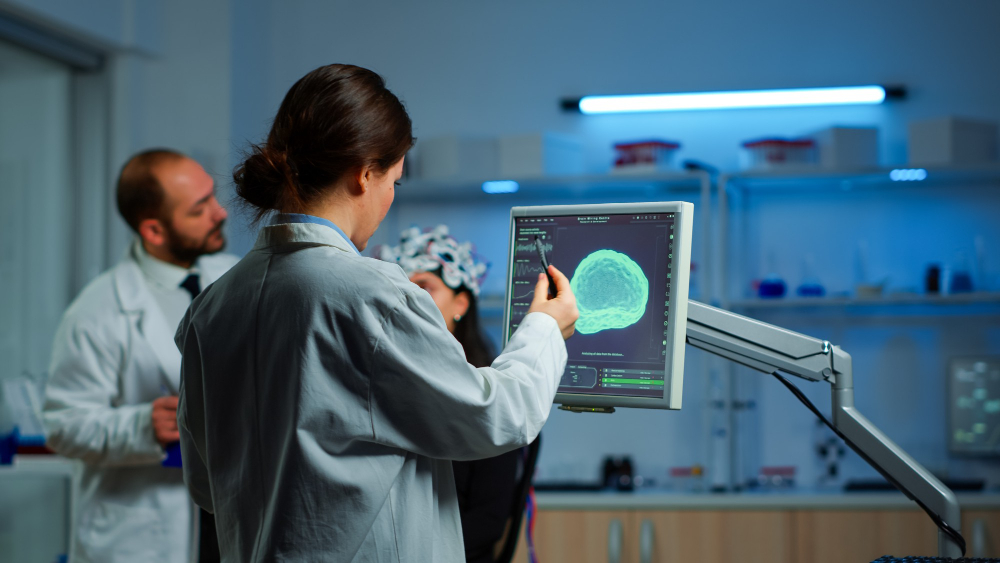
What is Functional MRI?
Functional MRI, often called fMRI, is a special type of brain scan. It helps doctors see which parts of the brain are active during certain tasks. Unlike regular MRI, which shows pictures of brain structure, functional MRI shows brain activity in real time. Because of this, it is very useful for both doctors and researchers. Many hospitals and clinics now offer functional MRI in their imaging services.
How Does Functional MRI Work?
Functional MRI uses strong magnets and radio waves to take pictures of the brain. However, it does more than just show the brain’s shape. Instead, it tracks changes in blood flow. When a part of the brain is active, it needs more oxygen. As a result, more blood flows to that area. The fMRI scan detects these changes. This way, doctors can see which brain areas are working during different activities, such as speaking or moving a hand.
Common Uses of Functional MRI
Functional MRI has many uses in medicine and research. For example, doctors use it to:
Because it is safe and non-invasive, fMRI is also used in many research studies.
What to Expect During a Functional MRI Scan
Before the scan, you may be asked to remove metal objects. Next, you will lie down on a table that slides into the MRI machine. The scan does not hurt, but the machine can be noisy. During the scan, you may be asked to perform simple tasks, such as moving your fingers or looking at pictures. These tasks help doctors see which brain areas are active. The scan usually takes 30 to 60 minutes. After the scan, you can return to your normal activities right away.
Benefits and Limitations of Functional MRI
Functional MRI offers many benefits:
However, there are some limitations:
Even so, for many patients, the benefits outweigh the drawbacks.
Safety and Risks
Functional MRI is considered very safe. It does not use X-rays or harmful radiation. However, because it uses strong magnets, people with certain implants or metal in their body may not be able to have the scan. For most people, there are no side effects. Some may feel a bit anxious in the small space, but staff can help you feel comfortable. If you have concerns, always talk to your doctor before the scan.
Frequently Asked Questions about Functional MRI
Prevention and Lifestyle Guidance
While functional MRI is a test, not a treatment, you can prepare by following a few tips:
Although you cannot prevent the need for a scan, being prepared can help you feel more at ease.
For more information or to see if a functional MRI is right for you, consult a radiology specialist at Shreeji MRI.